Grounded 2 Creatures: Weaknesses, Threat Levels, and Drops
How to read creature pages, prepare for a fight, and separate a confirmed weakness from a community assumption.
Scan the creature, identify its aggression level, learn the attack tell and only then choose damage or farming preparation. Group aggro is often the real danger.
3 sources · route guidance · Weaknesses and drops need a current-build confirmation before being marked verified.- A scan or creature card
- An escape route
- Healing and the right range
Known creatures entries
Use this as a fast lookup first. Open the linked guide for the route, prerequisites and current-build notes.
Read the creature before the fight
Start with habitat, threat, and the first safe opening. Exact weaknesses and drops stay labelled until they are checked against the current Early Access build.
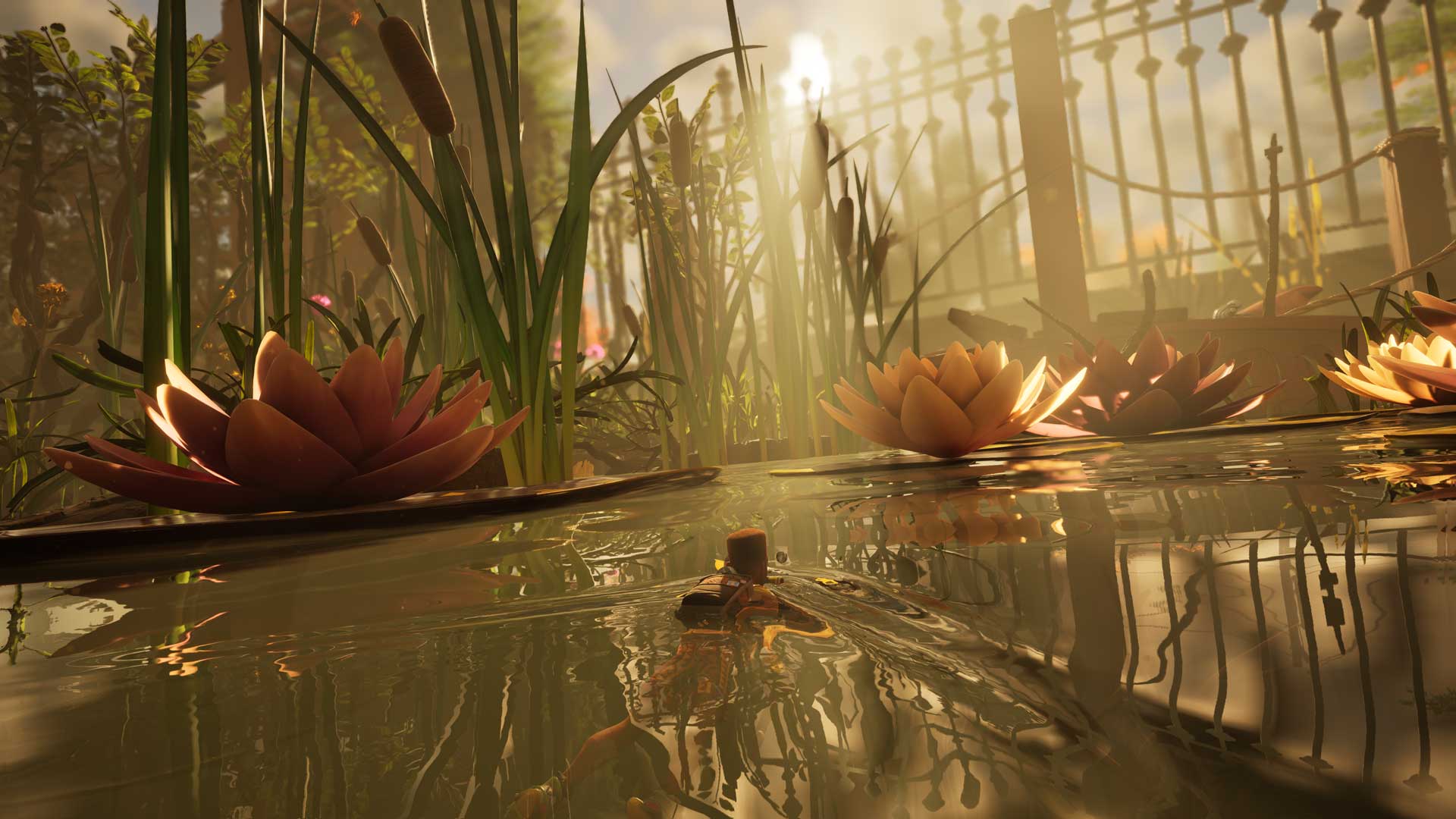
Artwork: Obsidian Entertainment / Grounded 2 official news media.| Name | Type | Region | Useful answer | Status | Open |
|---|---|---|---|---|---|
Aphid | Harmless | Multiple early areas | A passive creature and a readable first scan target.Source: Grounded Wiki creature table | Reference lead | On this page |
Weevil | Harmless | Multiple early areas | Usually a low-pressure resource encounter; scan it before farming nearby materials.Source: Grounded Wiki creature table | Reference lead | On this page |
Red Ant | Neutral / swarm risk | Ant routes | Provoking one can pull nearby members into the fight; do not start a fight inside a nest route.Source: HowToPlayHub guide | Reference lead | On this page |
Firefly | Neutral / swarm risk | Night routes | Treat group aggro as the hazard, not only the individual creature.Source: HowToPlayHub guide | Reference lead | On this page |
Wolf Spider | Angry | Danger zones | Avoid until your armor, weapon and escape route are ready.Source: HowToPlayHub guide | Reference lead | On this page |
Stinkbug | Angry | Combat routes | Prepare for area pressure and do not rely on a narrow escape path.Source: HowToPlayHub guide | Reference lead | On this page |
Status is deliberately conservative: a reference lead is useful for discovery, but exact stats, drops, costs and coordinates are not upgraded to verified without a current-build check.
Learn the tell before the weakness
A weakness is useful only if you can safely reach the opening. Creature pages will start with attack tells, spacing, and escape options, then explain the damage or status choice that improves the fight.
If the creature is optional, say so. Players should know whether a fight blocks progression or simply rewards a detour.
What a complete creature page contains
Each page will include habitat, threat level, attacks, safe openings, recommended preparation, drops, crafting uses, and nearby map links. Drops will be marked as verified only after a current-version check.
The same structure lets a new player scan quickly while giving experienced players a dependable reference table.
Do not overpromise a tier list
A creature can be harmless in open ground and dangerous in a narrow base entrance. Context matters more than a single letter grade, so we will use threat tags and preparation notes instead of pretending one ranking fits every situation.
Use this guide in a run
- 01Read the tell
Learn the attack cue and spacing before deciding which damage type to use.
- 02Choose the arena
Open ground, narrow paths, and base entrances change the danger of the same creature.
- 03Take the safe opening
Use the shortest reliable punish and leave before the next attack cue.
- 04Record the drop
Connect each confirmed drop to its recipes and nearby farming routes.
Before you commit to this route
- Learn the visual tell before choosing damage
- Know whether the encounter blocks progression
- Record habitat, drops, and crafting uses separately
- Label unverified community claims clearly